
Durability & Repair
Every mechanism has a part chosen to wear out first
Somewhere in a design there is a surface intended to be sacrificed. Knowing which one it is turns an alarming symptom into a scheduled maintenance item.
Most explanations of sacrificial wear surfaces stop at the point where it starts to matter. This one carries on.
The short version
- Designers choose which surface wears to protect the expensive one.
- A cheap wear part is only useful if it is available.
- Wear rates depend heavily on contamination.
Choosing what wears
When two surfaces rub, one will wear faster, and a designer decides which by choosing materials and hardness deliberately. The cheaper and more accessible surface is made softer so that it takes the damage and can be replaced. Brake pads against discs, brushes against a commutator and belts against pulleys are all versions of the same decision.
Getting it wrong is expensive, which is why aftermarket parts of the wrong hardness can damage components that should have outlasted them. This is the technical reason behind the advice to use specified parts on anything with a wear pair.
Recognising the sacrificial part
It is usually the cheapest item in the parts list, listed individually, and often stocked by third parties. It appears in the maintenance schedule with an inspection interval, which is the manufacturer describing expected wear. It is generally accessible without major disassembly, since a wear part behind an engine strip-down would be a design error.
Manuals often specify a wear limit, such as a minimum thickness or a maximum play, which is the replacement trigger. Where no such part exists in a rubbing pair, the expensive component is the wear surface, which is worth knowing before buying.
Contamination changes the rate enormously
Abrasive particles between two surfaces convert sliding wear into grinding, and the rate can rise by orders of magnitude. This is why filters, seals and covers protect wear parts, and why a failed cover destroys parts that should have lasted years.
In the small print, lubricant carries particles away and holds them in suspension, which is why changing it removes accumulated abrasive. Dry running of a surface designed to be lubricated causes very rapid wear and often permanent damage within minutes.
The practical consequence is that keeping dirt out extends wear part life more than any material upgrade.
Wear in unexpected places
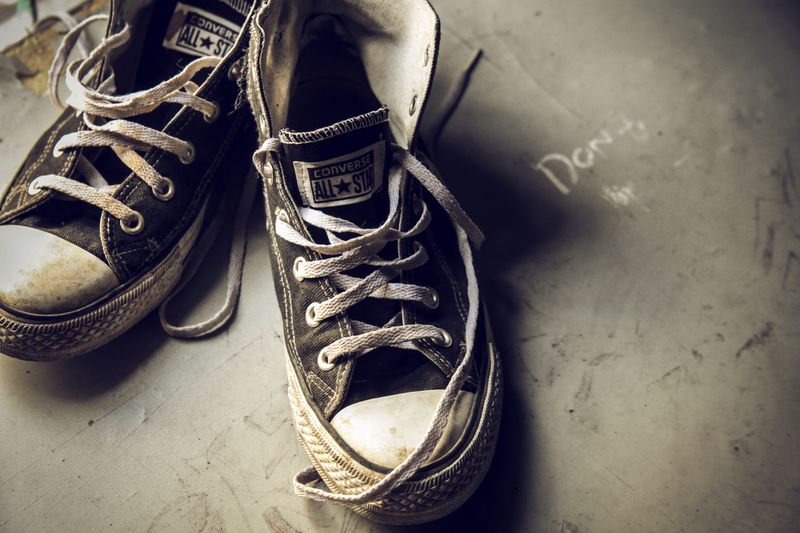
Zip sliders wear rather than zip teeth, which is why a failing zip is usually fixed by replacing the slider. Non-stick coatings are wear surfaces with a finite life, though they are rarely described that way at the point of sale. Shoe outsoles and midsoles wear at very different rates, and the midsole often fails invisibly while the outsole still looks usable.
Contact surfaces in switches wear electrically as much as mechanically, through arcing that erodes material at each operation. In each case the failure feels like the product wearing out, when it is one designed component reaching the end of its intended life.
Judging a product by its wear parts
Find the maintenance schedule and note every item with an interval, since that list is the honest running cost of ownership. Price those items, because a cheap machine with expensive consumables can cost more over five years than a dearer one. Check whether third-party equivalents exist, which indicates both a stable design and competitive pressure on pricing.
Prefer designs where the wear part is genuinely accessible, since a difficult replacement will be postponed until damage spreads. This site does not run products to their wear limits, so long-term ownership reports and trade servicing experience are the useful sources.
The takeaway
Find out which part was meant to wear, then find out what one costs, because that is the real running cost.
The question is rarely which is best. It is which is enough.
Questions readers ask
Is a part wearing out a sign of poor quality?
Not if it was designed to. Sacrificial surfaces protect expensive components, and their replacement is maintenance rather than failure.
Do cheaper replacement parts cause damage?
They can, if their hardness differs from the original. A pad harder than intended transfers wear to the surface it runs against, which is usually the expensive one.
Also by Yusuf Baig
- Vacuum cleaners: airflow, sealed suction and the leaks between themCategory Guides
- Cookware is a compromise between conductivity, mass and how you cookCategory Guides
- In small kitchen appliances the plastic gear is a deliberate fuseCategory Guides
- Printers are sold as machines and bought as a supply contractCategory Guides


