
Aftercare
Water hardness decides the life of anything that heats water
Scale forms wherever hard water is heated, insulating elements and blocking passages. It is the most local of all maintenance variables and the most often ignored.
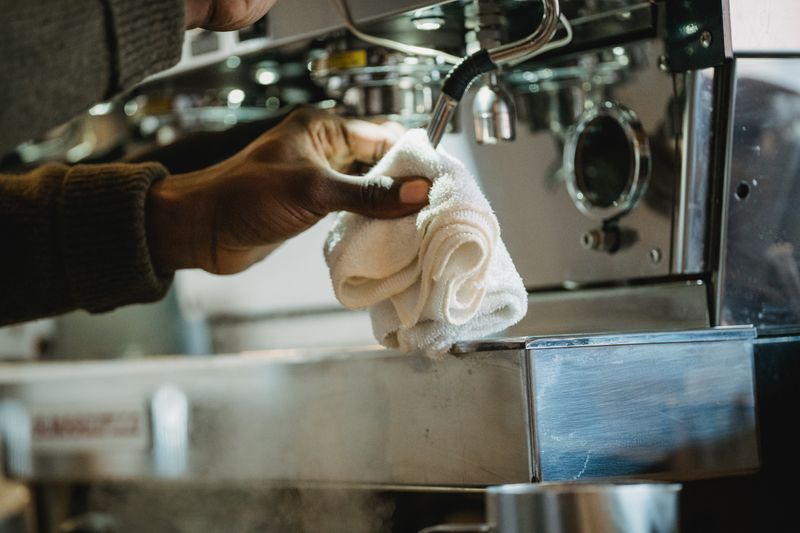
The options around scale and water hardness are set out side by side below, with the conditions that genuinely favour one over the other.
The difference in one place
- Scale forms faster at higher temperatures.
- Hardness varies enormously by locality.
- Scale insulates elements and causes overheating.
How scale forms
Hard water contains dissolved calcium and magnesium compounds, and heating drives them out of solution onto the hottest surfaces. Deposition accelerates with temperature, which is why elements, boilers and heat exchangers scale before pipes do. A layer of scale insulates the heating surface, so the element runs hotter to deliver the same heat into the water.
That extra temperature accelerates both further deposition and the degradation of the element itself. The result is a self-reinforcing process that ends in element failure or blocked passages rather than in gradual inefficiency alone.
How much this varies by place
Water hardness differs enormously between regions and even between neighbouring supplies, depending entirely on local geology. Water companies in many countries publish hardness figures by postcode or supply zone, and they are free to look up.
This is why maintenance advice that ignores locality is unhelpful, and why identical appliances have very different lives in different towns. Softened water changes the picture completely, and some appliances have specific instructions for softened supplies. Establishing your local figure before buying anything that heats water is a two-minute task with lasting consequences.
What scale damages first
Immersion elements in kettles, water heaters and washing machines are the classic casualty and fail by overheating. Narrow passages in espresso machines, steam generators and boilers block progressively, changing flow and pressure.
Solenoid valves and flow meters clog, which produces faults that look electrical and are mechanical. Heat exchangers lose efficiency and eventually restrict, which shows as reduced output rather than as an obvious fault. Shower heads and taps scale visibly, which is cosmetic by comparison but a useful early indicator of local hardness.
Descaling in practice
Descaling agents are acids that dissolve the deposit, and manufacturers specify types and concentrations for a reason. The wrong acid or the wrong concentration can attack aluminium, seals and coatings while removing the scale. Frequency should follow local hardness and usage rather than a generic interval, and manuals often provide a table.
On the bench, some machines track usage and prompt for descaling, and ignoring those prompts is a common route to an expensive repair.
Descaling a heavily scaled machine can dislodge fragments that block passages, which is an argument for regular light treatment.
Prevention rather than treatment
Water softeners remove hardness at the supply and are a substantial investment that changes every appliance in the house. Point-of-use filters for appliances such as coffee machines reduce hardness for that machine only and are cheaper. Filter cartridges have a rated capacity in litres, and using them beyond it provides no protection while feeling reassuring.
Lower operating temperatures reduce deposition, which is one of the quiet benefits of efficient low-temperature programmes. Emptying and drying appliances between uses reduces deposition from standing water, particularly in kettles and steamers.
Model numbers change quietly, and a review from last year may describe a different machine.
Buying with hardness in mind
Ask before purchase whether an appliance has a scale-prone element and how descaling is performed. Prefer machines where elements and boilers are replaceable parts, since in hard water areas they are consumables. Check whether the warranty excludes scale damage, which many do, and which effectively transfers the risk to you.
Consider the filter cost over the years of ownership, since it can exceed the price difference between two machines. This site does not test water treatment, so your water supplier's hardness data and manufacturer instructions are the sources to use.
Side by side
| Consideration | What it means in practice |
|---|---|
| How scale forms | Scale forms faster at higher temperatures. |
| How much this varies by place | Hardness varies enormously by locality. |
| What scale damages first | Scale insulates elements and causes overheating. |
The takeaway
Look up your local hardness before you buy anything that boils water, because it decides the maintenance schedule for you.
Buy for the failure you can live with, not the feature you will use twice.
Questions readers ask
How do I find my water hardness?
Water companies in many countries publish hardness by postcode or supply zone. It takes a couple of minutes and changes how you should maintain everything that heats water.
Is scale damage covered by warranty?
Frequently not. Many warranties exclude it explicitly, which effectively makes descaling your responsibility and makes replaceable elements a valuable feature.
Also by Pranav Achanta
- Peak ratings describe a moment, continuous ratings describe the productReading the Spec
- An energy label rates a test cycle, not the way you use the thingReading the Spec
- Stainless steel is a family of alloys and the grade is the specificationReading the Spec
- The wrong lubricant is worse than none at allAftercare


