
Aftercare
Passing something on well is part of owning it
What a product is worth at the end is decided by how it was kept, documented and prepared. The same habits that preserve resale value also extend the thing's life.
Treat the sections below as a sequence. With preparing a product for its next owner, getting the early decisions right makes the later ones much easier.
Before you start
- Documentation and accessories materially affect what an item is worth.
- Personal data must be removed before any device leaves.
- Honest fault disclosure protects both parties.
What determines the value of a used item
Completeness matters most: manuals, accessories, original packaging and matching part numbers all raise what a buyer will pay. Service history matters in categories with maintenance schedules, and a documented history removes the buyer's largest uncertainty. Cosmetic condition affects price more than function does in many categories, which is why protection during ownership pays.
Known model longevity matters, since buyers pay more for products they know have available parts. The habits that maintain all of these are the same habits that keep the product working, which is the useful part.
Preparing a mechanical item
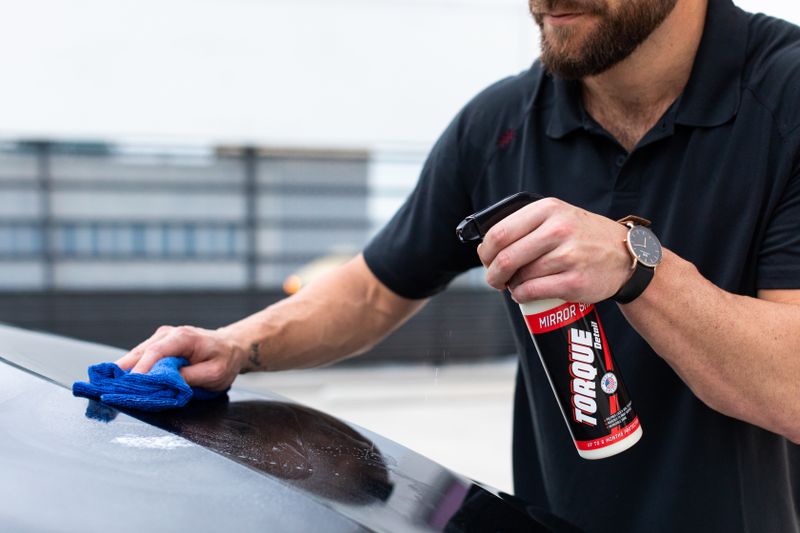
Clean thoroughly, since dirt hides condition and buyers reasonably assume that a dirty item was also neglected mechanically. Complete any overdue maintenance, because a serviced item sells faster and the work is usually cheaper than the price difference.
On the bench, replace obviously worn consumables, which is inexpensive and removes an obvious point of negotiation. Gather the documentation, the spare parts supplied originally and any tools that came with it. Photograph the item honestly, including any damage, since a surprise on collection ends most private sales.
Preparing anything that stored data
Personal data on devices is a genuine risk, and factory reset does not always remove everything on older equipment. Storage devices, printers with memory, routers, cameras and vehicles with paired phones all retain data people forget about. Removing accounts and deactivating device pairing before resetting prevents the next owner being locked out.
Data protection rules in many countries place obligations on anyone handling other people's data, which matters for business equipment. Where data is sensitive and the device is old, physical destruction of the storage may be the appropriate answer.
Disclosure and honesty
Describing known faults plainly attracts fewer buyers at a better price and prevents disputes afterwards. Consumer law in most jurisdictions treats private sales differently from business sales, but misrepresentation is actionable in both. Stating what you do not know, such as the age of a component you did not fit, is more useful than guessing.
Providing the model and serial number lets a buyer check parts availability and recall notices themselves.
A clear description of how the item was used is the single most useful thing a private seller can provide.
When passing on is better than selling
Items with low resale value and long remaining life are often better given to someone who needs them than sold cheaply. Charities, repair projects and community schemes accept many categories and extend the useful life of goods considerably.
The measurable part is this: manufacturer and retailer take-back schemes exist for some categories and handle recycling responsibly. Items that are genuinely unsafe should be disposed of rather than passed on, regardless of remaining function. Recycling routes differ substantially by country, and local authority guidance is the practical source.
Published coverage skews towards whichever brands were willing to send samples out.
Buying with the ending in mind
Products with strong second-hand markets are cheaper to own, because a proportion of the purchase price is recovered. Parts availability drives second-hand value, which is another reason it deserves attention at the point of purchase. Standard, widely sold models hold value better than unusual ones, for the same reasons they are easier to repair.
Keeping documentation from day one costs nothing and is worth real money at the end. This site does not track resale values, so completed sale prices on marketplaces are the practical evidence for any category.
The takeaway
Look after the paperwork and the accessories from day one, because that is what the thing is worth at the end.
The question is rarely which is best. It is which is enough.
Questions readers ask
Does keeping the box really increase resale value?
In several categories it measurably does, and it also makes safe posting possible. Completeness of documentation and accessories usually matters more than the outer carton.
How do I remove data before selling a device?
Remove accounts and deactivate pairing first, then factory reset. On older storage devices a reset may not remove everything, and physical destruction is sometimes the right answer.
Also by Kavitha Srinivasan
- Lumens are counted at the emitter and light is judged at the wallReading the Spec
- A decibel figure was measured in a room you do not haveReading the Spec
- The cells inside a battery pack decide more than the amp-hour numberReading the Spec
- Up to is a legal phrase and it changes what a number meansReading the Spec


